
 ★ 8.5
XDMovies
Two lovers who meet on a train across Europe and fight for the blessing of a father in Punjab, two revolutionaries of the 1920s who become friends, unaware of who the other really is, a boy of a Bengal village who watches a train pass through the fields, a poor family of Seoul who slip into the house of a rich one. This guide follows the Languages menu of the old site and gathers 156 films in twelve languages, the thirteen most voted on TMDB in each: Hindi, before and since 2000, Marathi and Gujarati; Tamil, Telugu, Malayalam and Kannada; and Bengali, Punjabi, Japanese and Korean, with synopses, cast and where to watch.
Languages
Hindi classicsHindi classics
View all (13)★ 8.5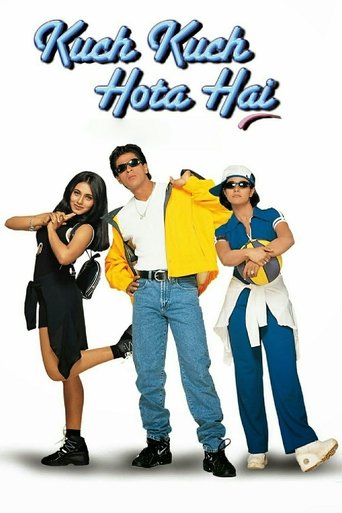 ★ 7.5
 ★ 7.1
 ★ 6.8
 ★ 6.9
 ★ 6.9
 ★ 7.0
 ★ 6.0
 ★ 6.9
 ★ 6.6
 ★ 7.3
 ★ 6.4
Hindi since 2000Hindi since 2000
View all (13)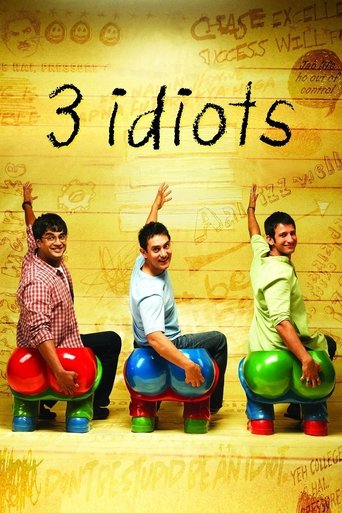 ★ 8.0
 ★ 8.0
 ★ 8.0
 ★ 7.9
 ★ 7.7
 ★ 7.4
 ★ 7.3
 ★ 7.6
 ★ 7.7
 ★ 7.8
 ★ 7.2
 ★ 7.1
Marathi filmsMarathi films
View all (13) ★ 7.6
 ★ 7.0
 ★ 6.8
 ★ 8.3
 ★ 7.2
 ★ 6.5
 ★ 6.9
 ★ 6.2
 ★ 7.2
 ★ 5.0
 ★ 7.0
 ★ 7.2
Gujarati filmsGujarati films
View all (13) ★ 6.3
 ★ 7.5
 ★ 6.9
 ★ 4.4
 ★ 8.0
 ★ 7.9
 ★ 8.4
 ★ 7.6
 ★ 4.9
 ★ 5.6
 ★ 7.7
 ★ 7.8
Tamil filmsTamil films
View all (13) ★ 6.6
 ★ 7.4
 ★ 7.7
 ★ 7.4
 ★ 7.3
 ★ 7.4
 ★ 7.6
 ★ 5.9
 ★ 7.6
 ★ 7.7
 ★ 6.8
 ★ 7.1
Telugu filmsTelugu films
View all (13)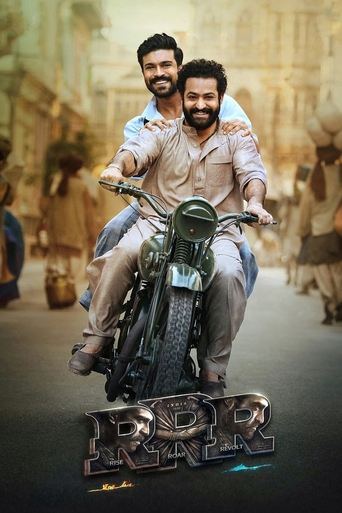 ★ 7.7
 ★ 7.6
 ★ 7.5
 ★ 7.1
 ★ 6.8
 ★ 6.8
 ★ 6.4
 ★ 6.2
 ★ 7.3
 ★ 6.5
 ★ 6.8
 ★ 7.0
Malayalam filmsMalayalam films
View all (13) ★ 7.2
 ★ 6.8
 ★ 7.6
 ★ 7.6
 ★ 7.6
 ★ 7.6
 ★ 8.1
 ★ 6.5
 ★ 7.6
 ★ 7.5
 ★ 7.9
 ★ 7.7
Kannada filmsKannada films
View all (13) ★ 7.5
 ★ 7.4
 ★ 7.2
 ★ 5.8
 ★ 7.2
 ★ 7.6
 ★ 6.8
 ★ 7.1
 ★ 7.4
 ★ 6.7
 ★ 8.1
 ★ 4.3
Bengali filmsBengali films
View all (13)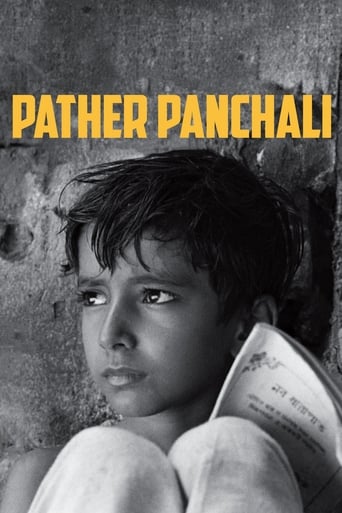 ★ 7.8
 ★ 7.8
 ★ 8.1
 ★ 6.3
 ★ 7.5
 ★ 7.5
 ★ 7.8
 ★ 8.1
 ★ 7.5
 ★ 6.5
 ★ 7.6
 ★ 7.9
Punjabi filmsPunjabi films
View all (13) ★ 6.2
 ★ 6.8
 ★ 6.0
 ★ 8.3
 ★ 7.0
 ★ 5.3
 ★ 7.9
 ★ 7.1
 ★ 6.3
 ★ 8.2
 ★ 7.3
 ★ 6.4
Japanese filmsJapanese films
View all (13)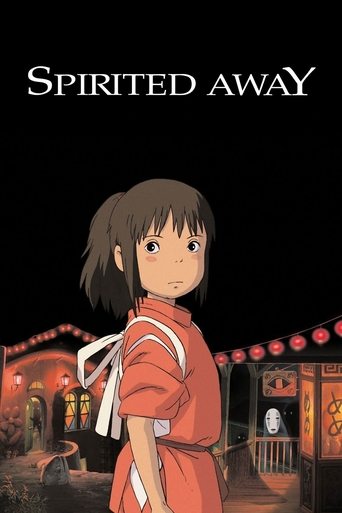 ★ 8.5
 ★ 8.5
 ★ 8.4
 ★ 8.3
 ★ 8.1
 ★ 8.5
 ★ 7.9
 ★ 7.8
 ★ 8.0
 ★ 7.8
 ★ 8.4
 ★ 8.5
Korean filmsKorean films
View all (13)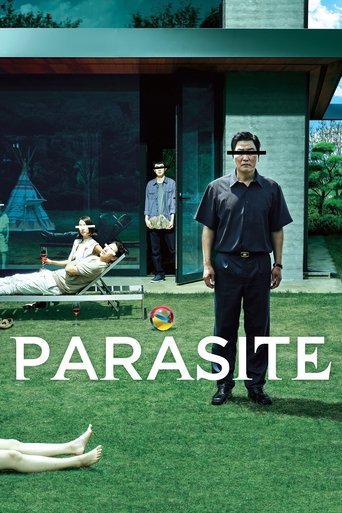 ★ 8.5
 ★ 6.9
 ★ 8.2
 ★ 7.8
 ★ 8.1
 ★ 8.2
 ★ 7.0
 ★ 7.8
 ★ 6.7
 ★ 7.4
 ★ 7.2
 ★ 7.5
The XDMovies guide
The XDMovies guide: twelve languages
Twelve languages
XDMovies is an English guide to 156 films in twelve languages. Ten of them are languages of India and its neighbours, Hindi, Marathi, Gujarati, Tamil, Telugu, Malayalam, Kannada, Bengali and Punjabi, with Hindi split into two shelves, before and since 2000; the last two are Japanese and Korean, the two languages of East Asia that the old site offered beside them. Each language has a shelf of thirteen films, the most voted on TMDB, and the shelves sit in three families: Hindi and the west, the south, and further afield. Every film has an English synopsis, the cast, the director, the genres and a Watch now button that opens it on JustWatch, which shows where it can be watched in your country.
The guide runs from 1913, the year of Raja Harishchandra, the first feature film made in India, to 2025, the year of Kantara - A Legend: Chapter 1 and of the Gujarati hit Vash Level 2. Its 156 films carry about 215,500 votes on TMDB, with an average rating of 7.28, and 26 of them reach a rating of 8 or more. The most voted film of the guide is Parasite, of Korea, with about 21,500 votes, ahead of Spirited Away, of Japan, and the most voted Indian film is Dilwale Dulhania Le Jayenge, the Hindi romance of 1995, with about 4,600. The guide Start with XDMovies picks one film from each family for a first evening, and the guide How the languages were chosen sets out the rules.
The idea comes from the old site itself. In the last weeks of 2025, the menu of xdmovies.site carried two great dropdown grids, one for the streaming services of India and the world, from Netflix and JioHotstar to Hoichoi, Aha and SonyLIV, and one for languages, written in their own scripts: हिन्दी, தமிழ், తెలుగు, മലയാളം, বাংলা, मराठी, ಕನ್ನಡ, with Japanese, Korean, Punjabi and Gujarati beside them. This guide takes the second grid as its plan, and each card carries the name of its language in its own script, from हिन्दी to 한국어.
The three families
The first family, Hindi and the west, holds the cinema of Mumbai and of the west of India: Hindi classics, before 2000; Hindi since 2000; Marathi films, the language of Maharashtra and of Mumbai itself; and Gujarati films, the language of the neighbouring state of Gujarat. Its 52 films carry about 21,000 votes, most of them for the Hindi films, and the guide Hindi and the west sums it up.
The second family, The south, holds the four great film industries of south India: Tamil films, from Chennai; Telugu films, from Hyderabad; Malayalam films, from Kerala; and Kannada films, from Karnataka. Its 52 films carry about 11,500 votes, and many of them, from RRR to K.G.F, crossed into the rest of India and the world dubbed into other languages. The guide The south sums it up.
The third family, Further afield, holds Bengali films, from Kolkata and Bangladesh; Punjabi films, from the Punjab of India and of Pakistan; Japanese films; and Korean films. Its 52 films carry about 183,000 votes, most of them for the films of Japan and Korea, and the guide Further afield sums it up.
Three more lists cut across the languages. Before 1980 gathers the thirteen oldest films, from Raja Harishchandra of 1913 to Sholay of 1975; Since 2020 gathers the 46 newest, from 2020 to 2025; and Rated 8 or more gathers the 26 films with a rating of 8 or more, best first.
How the languages were chosen
For each language, the pool held the films whose original language on TMDB is that language, documentaries aside, and each shelf kept its thirteen most voted films with an English synopsis. The Hindi films were split at the year 2000, so that the classics of the twentieth century keep their own shelf. The votes are very uneven: the Japanese and Korean shelves carry tens of thousands of votes each, while the Gujarati shelf carries about 250 in all and the Punjabi and Marathi shelves a few hundred. For those three shelves the ratings of TMDB rest on a handful of viewers and move a great deal with each new vote, so the guide gives them as a hint rather than a verdict.
A film belongs to the language in which it was made, whatever the language of its later dubbed versions. Two films share the title Drishyam: the Malayalam thriller of 2013, with Mohanlal, and its Hindi remake of 2015, with Ajay Devgn; each sits on its own shelf. Two Punjabi films of the guide come from Pakistan and three Bengali films from Bangladesh, because both languages are spoken on both sides of a border. The guide The directors lists the directors who appear most often, and the guide The stars does the same for the actors.
Hindi and the west
The first family of the guide holds 52 films in three languages of the west and north of India, with about 21,000 votes and an average rating of 7.12. Hindi cinema, often called Bollywood after Bombay, the old name of Mumbai, is the largest film industry of India in reach and the most famous abroad; its two shelves run from the family dramas and romances of the 1970s to the 1990s to the bolder films of the new century. Marathi and Gujarati cinema, smaller and closer to home, give the family two shelves of quieter films, many of them made in the 2010s.
Hindi classics
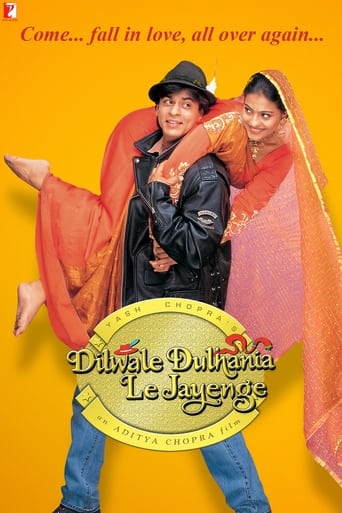
The shelf Hindi classics gathers thirteen films from 1971 to 1999 with about 7,100 votes. The most voted and the best rated is Dilwale Dulhania Le Jayenge, of 1995, by Aditya Chopra, with an 8.5 and about 4,600 votes, one of the best rated films of the whole guide: Shah Rukh Khan and Kajol play two young Indians of London who fall in love on a trip across Europe, and the hero follows his love to Punjab to win the blessing of her strict father rather than elope with her. The film ran in a single cinema of Mumbai, the Maratha Mandir, for more than twenty years.
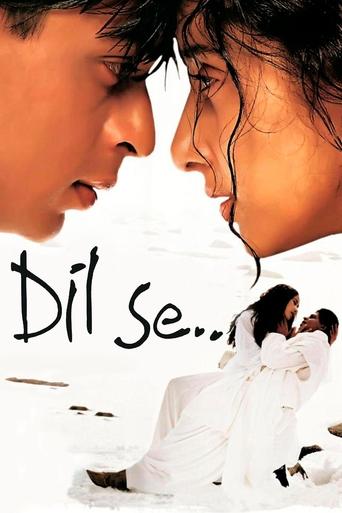
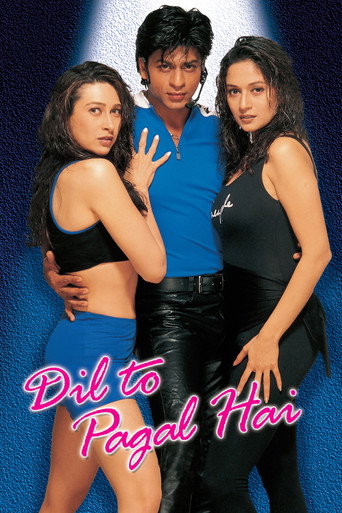
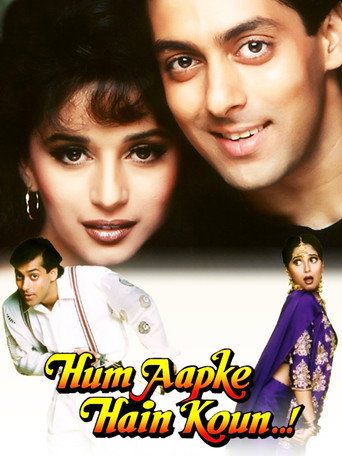
Shah Rukh Khan stars in six films of the shelf, often with Kajol, his most famous partner: Kuch Kuch Hota Hai, of 1998, by Karan Johar, with a 7.5; Baazigar, of 1993, a thriller of revenge in which he plays the villain; and Karan Arjun, of 1995, with Salman Khan, two brothers murdered and reborn to take revenge for their mother. He also leads Dil Se.., of 1998, by Mani Ratnam, a love story set against the insurgencies of the north-east, and Dil To Pagal Hai, of 1997, by Yash Chopra, with Madhuri Dixit. Salman Khan has six films here, counting his long guest role in Kuch Kuch Hota Hai, from Maine Pyar Kiya, of 1989, and Hum Aapke Hain Koun..!, of 1994, two family musicals by Sooraj Barjatya, to the comedy Andaz Apna Apna, of 1994, with Aamir Khan, and Hum Dil De Chuke Sanam, of 1999, by Sanjay Leela Bhansali.
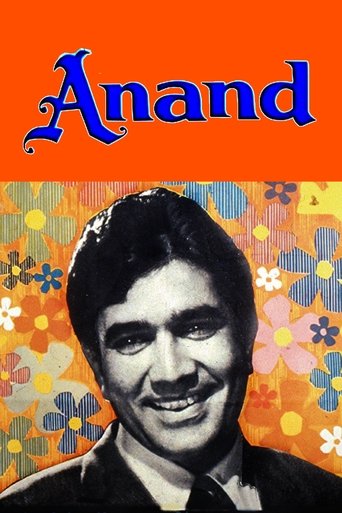
The older films of the shelf come from the 1970s and 1980s. Sholay, of 1975, by Ramesh Sippy, with a 7.1 and 208 minutes, the most famous Indian action film, sends two small-time crooks, played by Dharmendra and Amitabh Bachchan, to defend a village against the bandit Gabbar Singh; Anand, of 1971, by Hrishikesh Mukherjee, the oldest of the shelf, gives Rajesh Khanna the role of a dying man who lives every day with joy, with Bachchan as his doctor; and Salaam Bombay!, of 1988, by Mira Nair, with a 7.3, follows the street children of Mumbai, played by real street children. The guide Hindi classics sums it up.
Hindi since 2000
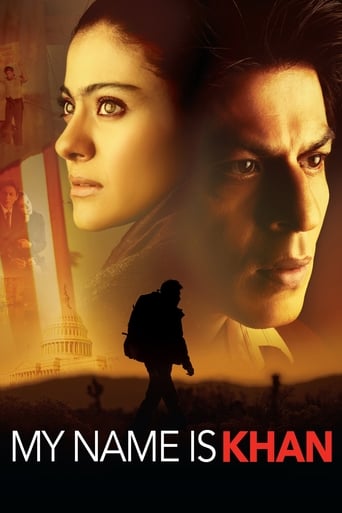
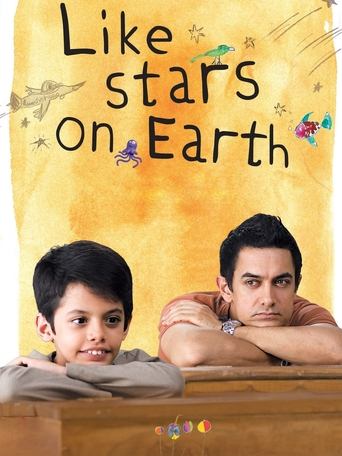
The shelf Hindi since 2000 gathers thirteen films from 2001 to 2024 with about 13,300 votes and an average rating of 7.63. Aamir Khan stars in six of them, and three of them share the best rating of the shelf, an 8.0. The most voted is 3 Idiots, of 2009, by Rajkumar Hirani, with an 8.0 and about 2,900 votes, the friendship of three students of an engineering college who fight the pressure of their teachers and families; Like Stars on Earth, of 2007, directed by Aamir Khan himself, with an 8.0, follows a boy with dyslexia whom an art teacher saves from failure; and My Name Is Khan, of 2010, by Karan Johar, with an 8.0, follows a Muslim man with Asperger's syndrome, played by Shah Rukh Khan, across an America suspicious of Muslims after 2001.
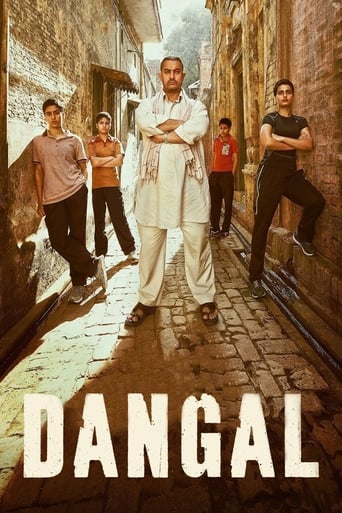
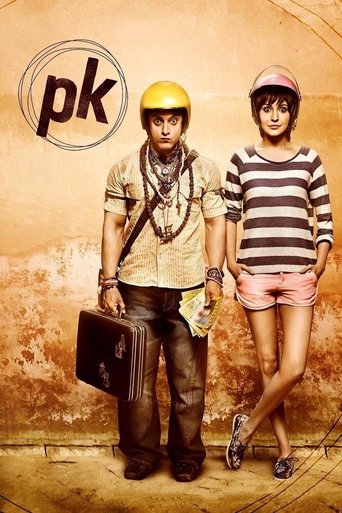
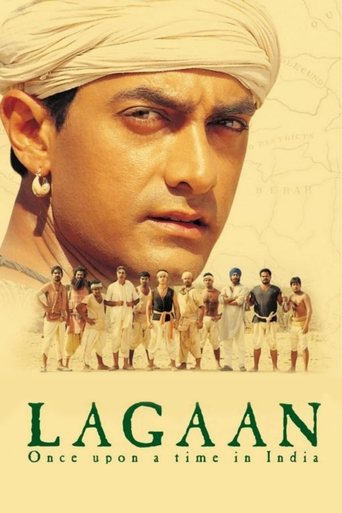
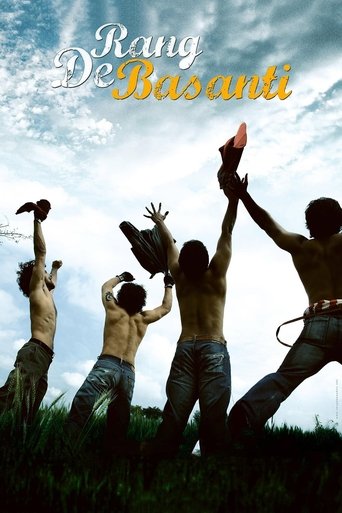
Aamir Khan's other films of the shelf are Dangal, of 2016, the true story of a wrestler who trains his two daughters to become champions; PK, of 2014, by Hirani, an alien who questions the religions of India; Lagaan: Once Upon a Time in India, of 2001, by Ashutosh Gowariker, with 233 minutes the longest film of the guide, in which the villagers of 1893 challenge their British rulers to a game of cricket to escape a tax; and Rang De Basanti, of 2006, students of Delhi who discover the revolutionaries of the 1920s. Kabhi Khushi Kabhie Gham, of 2001, by Karan Johar, gathers Amitabh Bachchan, Shah Rukh Khan and Kajol in a family saga of 209 minutes.
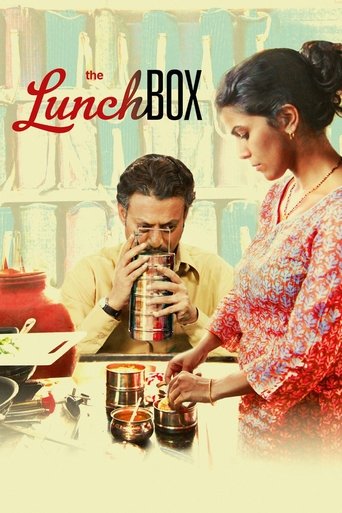
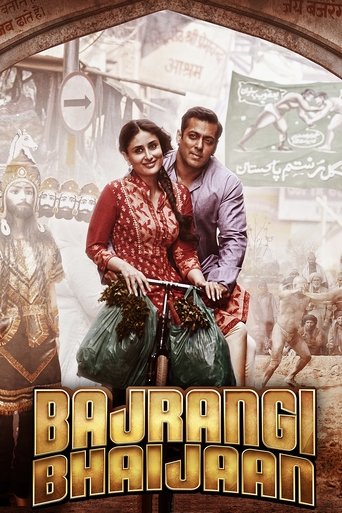
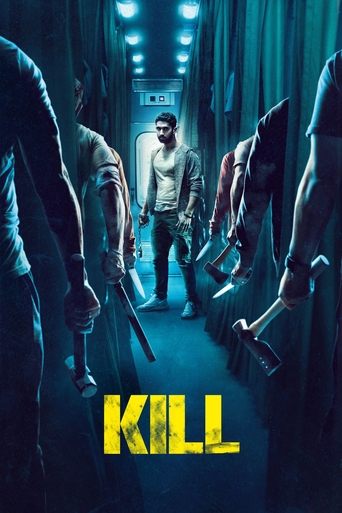
The thrillers of the shelf are just as popular. Andhadhun, of 2018, by Sriram Raghavan, with a 7.6, follows a pianist who pretends to be blind and witnesses a murder; the Hindi Drishyam, of 2015, with Ajay Devgn, remakes the Malayalam thriller of a father who hides a crime to protect his family; and KILL, of 2024, the newest of the shelf, sets a commando against a gang of robbers on a night train to Delhi. Bajrangi Bhaijaan, of 2015, with Salman Khan, takes a mute Pakistani girl lost in India back home across the border; The Lunchbox, of 2013, by Ritesh Batra, with Irrfan Khan, starts a correspondence between strangers through a lunchbox delivered to the wrong man; and Uri: The Surgical Strike, of 2019, tells a raid of the Indian army in 2016. The guide Hindi since 2000 sums it up.
Marathi films
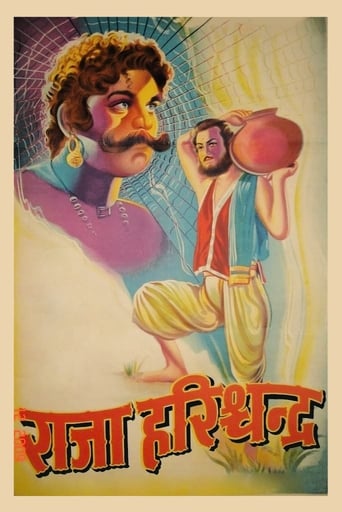
The shelf Marathi films gathers thirteen films from 1913 to 2023 with about 400 votes, so their ratings rest on few viewers. Marathi is the language of Maharashtra, the state of Mumbai, and the shelf opens with the beginning of Indian cinema itself: Raja Harishchandra, of 1913, by Dhundiraj Govind Phalke, known as Dadasaheb Phalke, the oldest film of the guide and at 40 minutes the shortest, a silent film of the legend of an honest king, made with an all-male cast, since the women of the day refused to act on screen and a young man played the queen. Its making is the subject of Harishchandrachi Factory, of 2009, by Paresh Mokashi, a comedy about Phalke and his family building the first Indian studio.
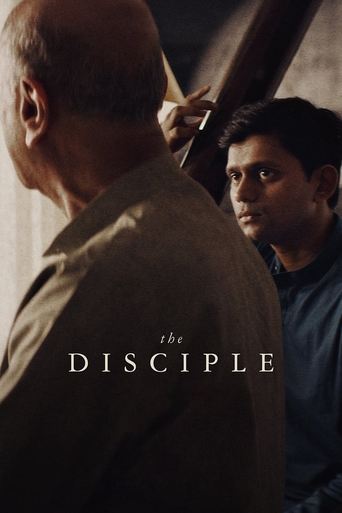
The most voted film of the shelf is Sairat, of 2016, by Nagraj Popatrao Manjule, with a 7.6, the love story of a girl of a powerful family and a boy of a lower caste in a village of Maharashtra, whose songs became a hit across India; Manjule's first film, Fandry, of 2013, follows a Dalit boy who falls in love with a girl of a higher caste. Chaitanya Tamhane has two films here, Court, of 2015, the trial of an old folk singer accused of inciting a suicide with his songs, and The Disciple, of 2020, a young singer of Indian classical music who struggles to reach the level of his masters.
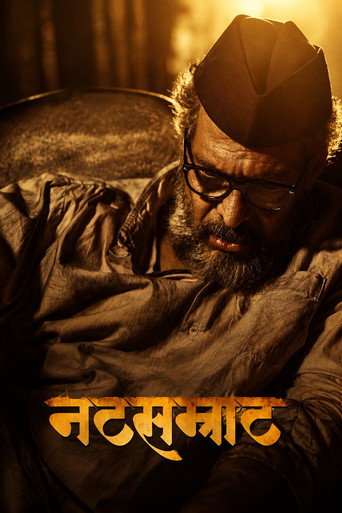
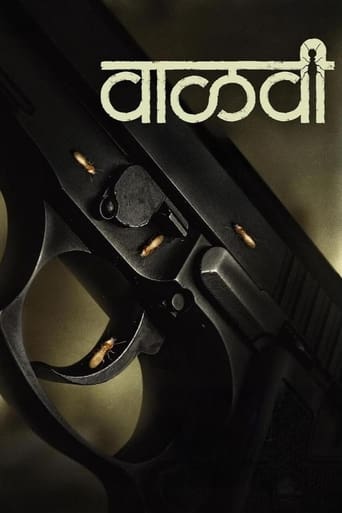
The best rated film of the shelf is Natsamrat, of 2016, by Mahesh Manjrekar, with an 8.3 on about 35 votes, in which Nana Patekar plays a great stage actor of Shakespeare who retires and loses his place in the home of his children. The rest of the shelf includes Killa, of 2014, a boy who moves to a coastal town after the death of his father; 1000 Rupee Note, of 2014, a poor widow who receives a gift of money at a political rally; Ved, of 2022, directed by and starring Riteish Deshmukh, with a guest appearance of Salman Khan; Vaalvi, of 2023, by Paresh Mokashi, a dark comedy of a couple who plan their own suicide; and Mumbai Pune Mumbai, of 2010, two strangers who spend a day together in Pune. The guide Marathi films sums it up.
Gujarati films
The shelf Gujarati films gathers thirteen films from 1981 to 2025 with about 250 votes in all, the fewest of the guide, so their ratings are only a first hint. Gujarati is the language of Gujarat, west of Maharashtra, and its cinema has grown fast since the 2010s, when a new generation of directors made comedies and dramas for the young audiences of the cities. The most voted film of the shelf is Hello, of 2023, with about 75 votes, and the best known abroad is Last Film Show, of 2022, by Pan Nalin, with a 7.5, the Indian entry for the Academy Award for best international feature, in which a boy of a Gujarati village falls in love with cinema in the projection room of a small town.
Krishnadev Yagnik has three films on the shelf: Chhello Divas, of 2015, a comedy of friends in their last days of college, and the two horror films Vash, of 2023, and Vash Level 2, of 2025, in which a stranger takes control of a girl by black magic. Pratik Gandhi, later famous for the series Scam 1992, stars in Love Ni Bhavai, of 2017, the best rated of the shelf, with an 8.4 on eight votes, and in Wrong Side Raju, of 2016, a driver caught up in a hit-and-run. Bey Yaar, of 2014, by Abhishek Jain, follows two friends cheated in the art trade; Hellaro, of 2019, a group of women of a desert village who dance in secret to the drum of a stranger; and Bhavni Bhavai, of 1981, by Ketan Mehta, with Naseeruddin Shah and Smita Patil, the oldest of the shelf, tells a folk tale of caste in the style of the Bhavai theatre. Laalo: Krishna Sada Sahaayate, of 2025, a devotional drama, is among the newest. The guide Gujarati films sums it up.
The south
The second family of the guide holds 52 films in the four great languages of south India, with about 11,500 votes and an average rating of 7.16. The south has long made as many films as Mumbai, and in the 2010s and 2020s its epics and thrillers, from Baahubali and RRR to K.G.F and Kantara, became the biggest successes of Indian cinema across the whole country, dubbed into Hindi and released in several languages at once. One actor links three of its shelves: Fahadh Faasil, the Malayalam star, appears in seven films of the guide in Malayalam, Tamil and Telugu.
Tamil films
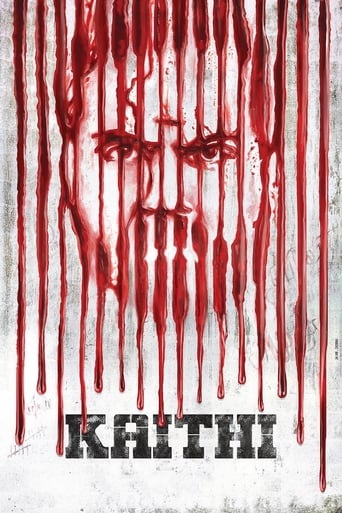
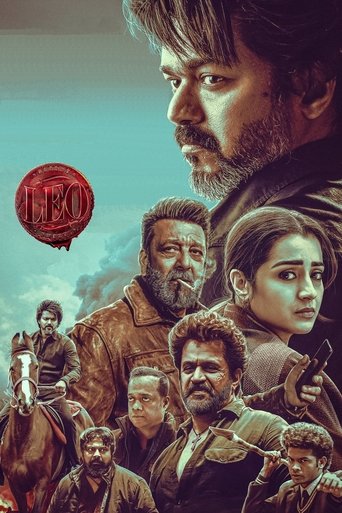
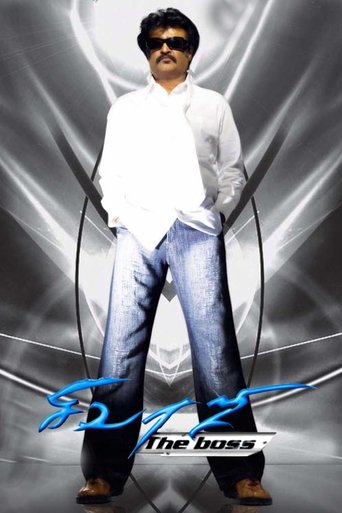
The shelf Tamil films gathers thirteen films from 2007 to 2024 with about 2,700 votes and an average rating of 7.24. The most voted is Enthiran, of 2010, by Shankar, with a 6.6, in which Rajinikanth plays a scientist and the robot he builds, who falls in love with the scientist's fiancée, played by Aishwarya Rai Bachchan; its sequel 2.0, of 2018, and Sivaji: The Boss, of 2007, the oldest of the shelf, give Shankar three films and Rajinikanth, the great star of Tamil cinema, three as well. Lokesh Kanagaraj has three films of his connected world of crime: Kaithi, of 2019, a former prisoner who drives a truck of poisoned policemen through a night of ambushes; Vikram, of 2022, with Kamal Haasan and Fahadh Faasil; and Leo, of 2023, with Vijay.
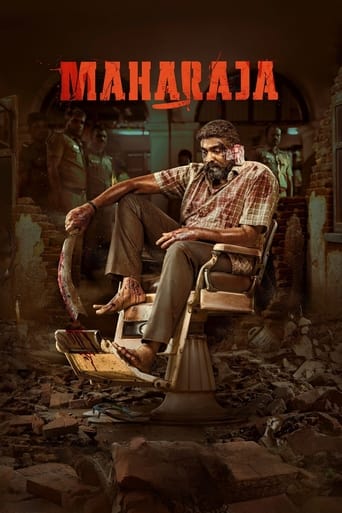
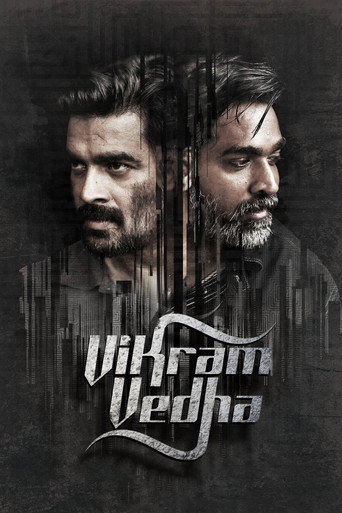
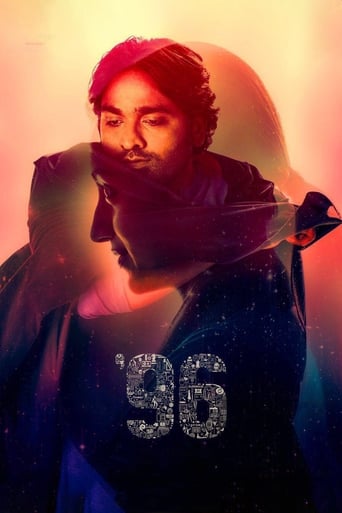
Vijay Sethupathi appears in five films of the shelf, among them three of its best rated, with a 7.7 each: Maharaja, of 2024, a barber who reports the theft of a dustbin and sets off a story of revenge; 96, of 2018, two former classmates who meet again at a school reunion twenty-two years later; and Super Deluxe, of 2019, by Thiagarajan Kumararaja, four stories of one strange day in Chennai. He also plays the gangster of Vikram Vedha, of 2017, opposite R. Madhavan as the policeman who hunts him, in a film built on the old tale of King Vikram and the spirit Vetal.
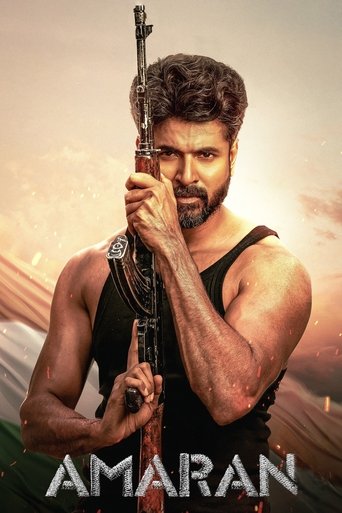
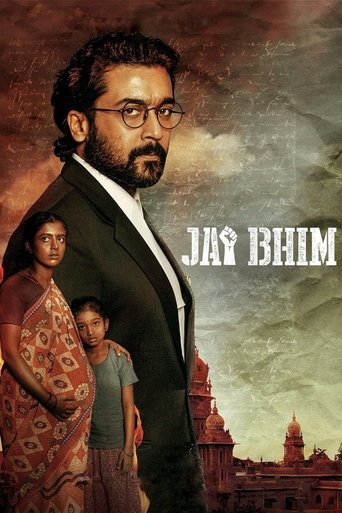
Jai Bhim, of 2021, with Suriya as a lawyer, tells the true story of a tribal woman whose husband vanished in police custody; Ratsasan, of 2018, a young policeman on the trail of a serial killer of schoolgirls; and Amaran, of 2024, the true story of an army officer killed in Kashmir, with Sivakarthikeyan and Sai Pallavi. The guide Tamil films sums it up.
Telugu films
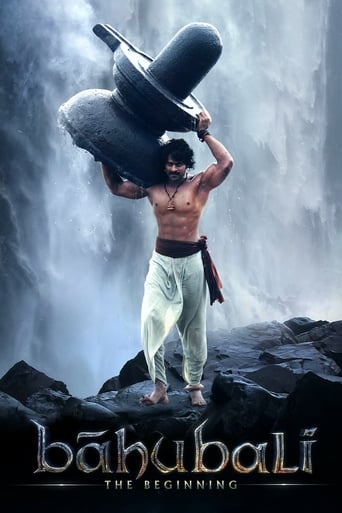
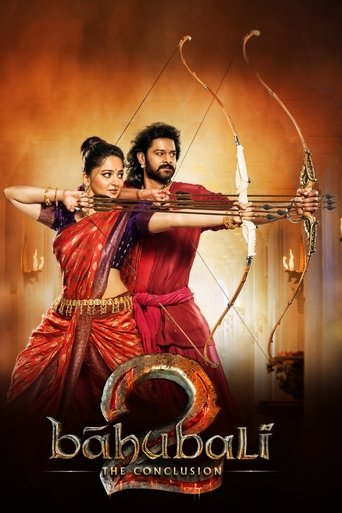
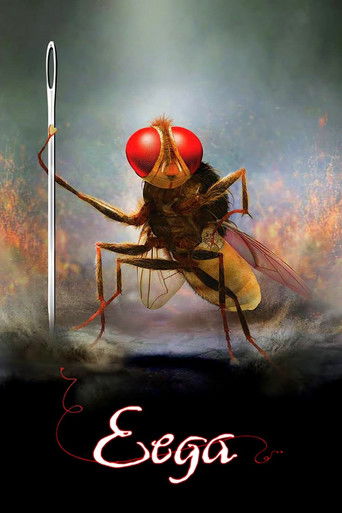
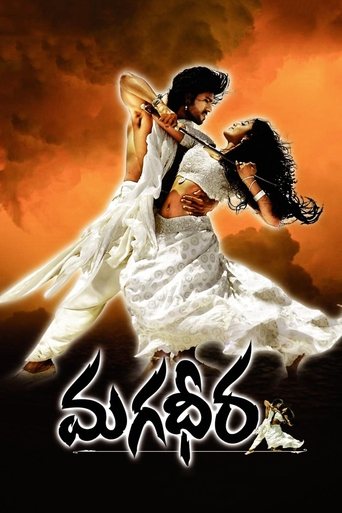
The shelf Telugu films gathers thirteen films from 2009 to 2024 with about 5,400 votes, the most of the south, and five of them are by S. S. Rajamouli. The most voted is RRR, of 2022, with a 7.7 and about 1,700 votes, the friendship of two revolutionaries of the 1920s, played by N.T. Rama Rao Jr. and Ram Charan, against the British Raj, whose song Naatu Naatu won the Academy Award for best original song. Bāhubali: The Beginning, of 2015, and Bāhubali 2: The Conclusion, of 2017, both with Prabhas, tell the war of two princes for the throne of an imaginary kingdom, and the second became the highest-grossing film ever released in India at the time. Rajamouli's Eega, of 2012, reincarnates a murdered man as a housefly who takes revenge on his killer, and Magadheera, of 2009, the oldest of the shelf, joins two lovers across four centuries.
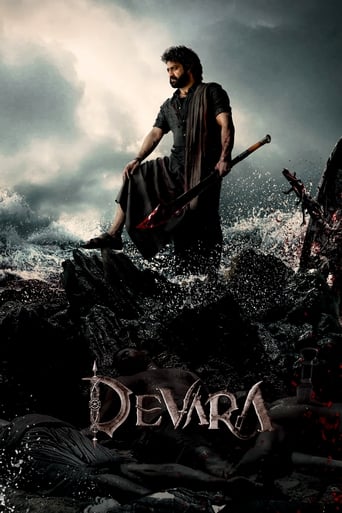
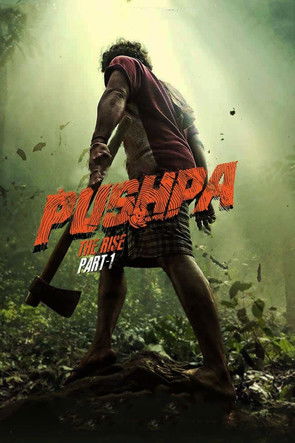
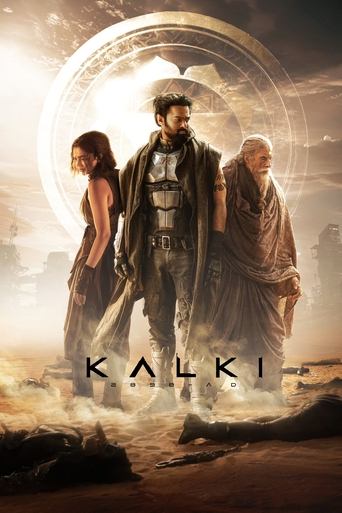
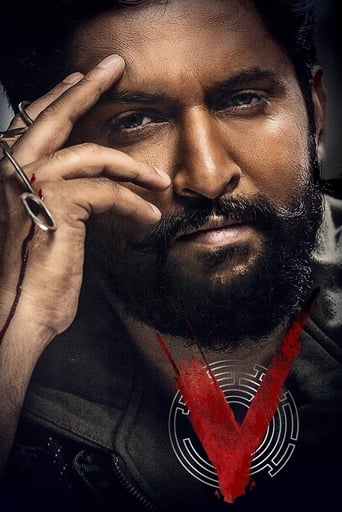
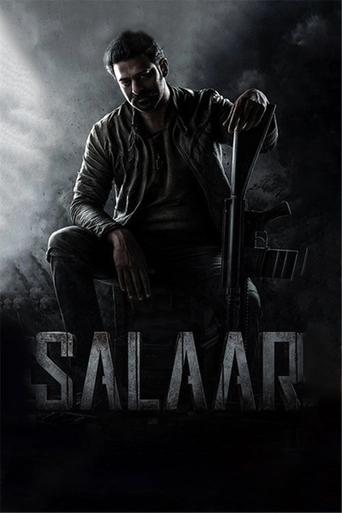
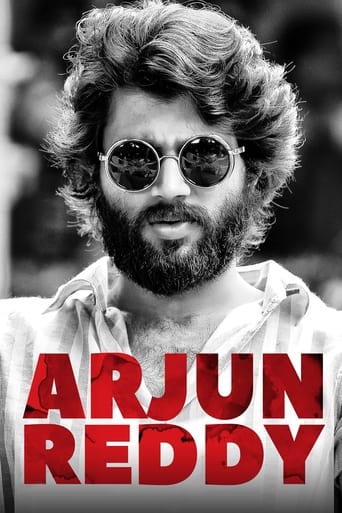
Prabhas has four films here, adding Kalki 2898-AD, of 2024, a science fiction epic with Amitabh Bachchan, and Salaar: Part 1 - Ceasefire, of 2023, by Prashanth Neel, the director of K.G.F. Allu Arjun plays the sandalwood smuggler of Pushpa: The Rise, of 2021, and Pushpa 2 - The Rule, of 2024, with 225 minutes, both with Fahadh Faasil as his enemy. The best rated film of the shelf is Sita Ramam, of 2022, with a 7.8, a love story of the 1960s between a soldier and a woman he knows only from her letters; Arjun Reddy, of 2017, follows a self-destructive surgeon after a broken love; Devara: Part 1, of 2024, a coastal strongman; V, of 2020, a policeman and a killer; and Ala Vaikunthapurramuloo, of 2020, a young man raised by the wrong father. The guide Telugu films sums it up.
Malayalam films
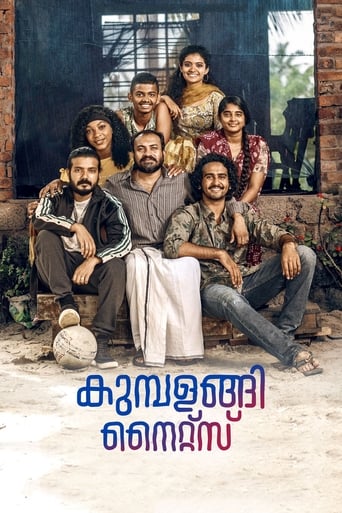
The shelf Malayalam films gathers thirteen films from 1993 to 2024 with about 2,100 votes and an average rating of 7.48, the best of the south. Malayalam cinema, made in Kerala, is known for its realistic stories, its sharp scripts and its actors, and seven of its films come from 2021 to 2024, the years of a remarkable run. The most voted is Minnal Murali, of 2021, by Basil Joseph, with a 7.2, the first superhero of Kerala, a tailor struck by lightning who gains powers in a small village; the best rated is Kumbalangi Nights, of 2019, with an 8.1, four brothers of a fishing village near Kochi who learn to live together.
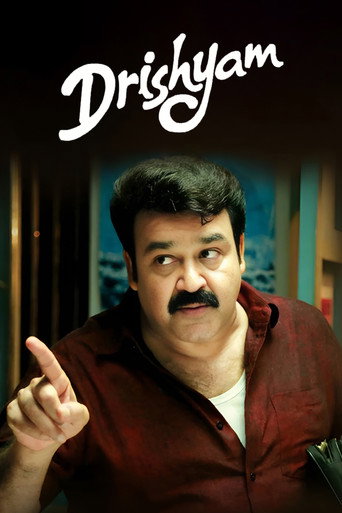
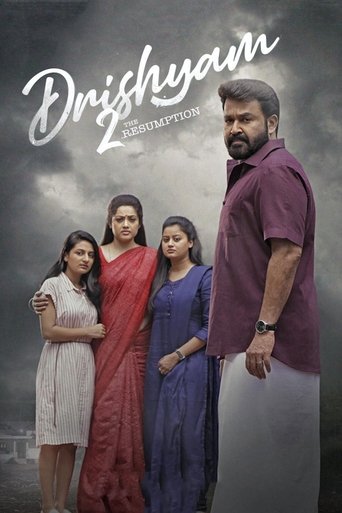
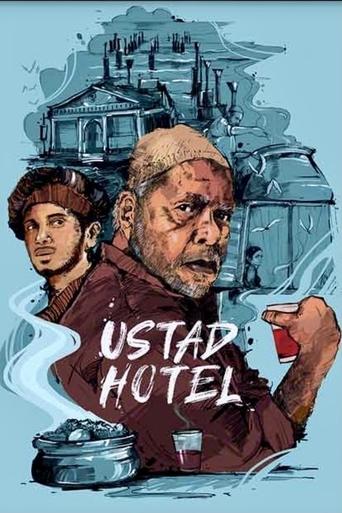
Mohanlal, the great star of Malayalam cinema, has three films here: Manichitrathazhu, of 1993, by Fazil, the oldest of the shelf, a psychological thriller in an old palace, and the two Drishyam films of Jeethu Joseph, the Drishyam of 2013, in which a cable operator protects his family after his daughter kills a young man in self-defence, and Drishyam 2, of 2021, which reopens the case six years later. Fahadh Faasil has three films on the shelf, Bangalore Days, Kumbalangi Nights and Aavesham, of 2024, a comedy about three students who befriend a flamboyant gangster of Bengaluru; Dulquer Salmaan stars in Ustad Hotel, of 2012, a young man who learns the meaning of food in his grandfather's restaurant.
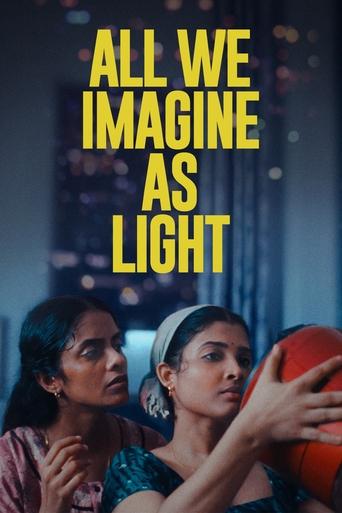
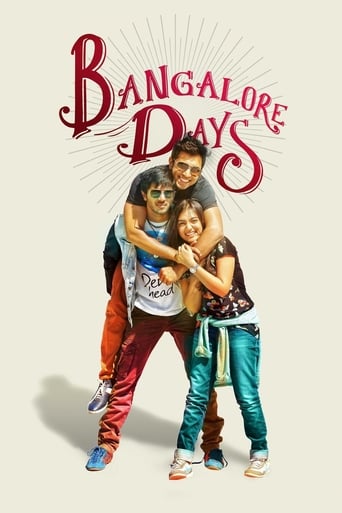
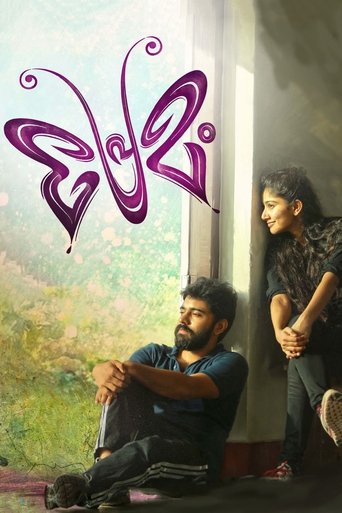
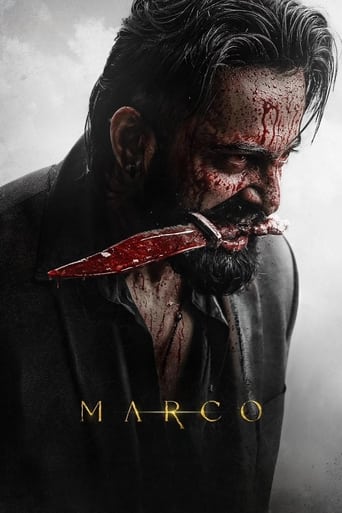
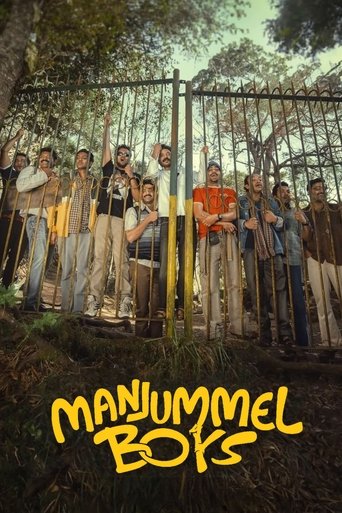
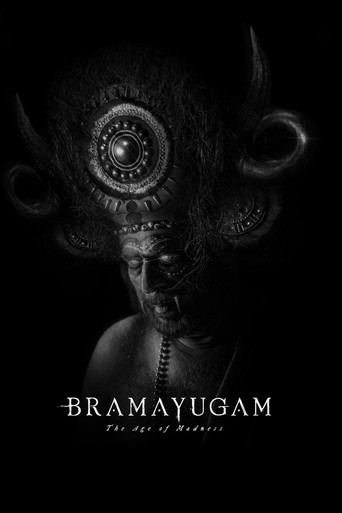
The friends and the young of Kerala fill the rest of the shelf. Bangalore Days, of 2014, by Anjali Menon, three cousins who move to Bengaluru; Premam, of 2015, three loves in the life of one man; and Manjummel Boys, of 2024, with a 7.9, the true story of a group of friends who try to rescue one of their own from a deep cave. Bramayugam, of 2024, a black-and-white horror film with Mammootty as a sinister lord; Marco, of 2024, a violent gangster film; Jallikattu, of 2019, a village hunting an escaped buffalo; and All We Imagine as Light, of 2024, by Payal Kapadia, two nurses of Kerala in Mumbai, which won the Grand Prix of the Cannes festival, close it. The guide Malayalam films sums it up.
Kannada films
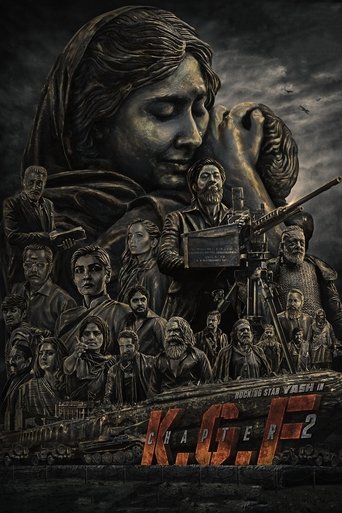
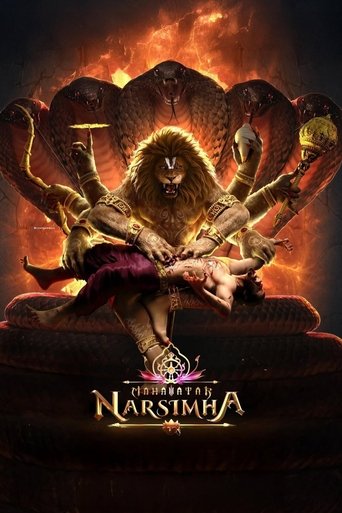
The shelf Kannada films gathers thirteen films from 1998 to 2025 with about 1,400 votes. Kannada cinema, made in Bengaluru, became famous across India in the 2020s with two series. The most voted is K.G.F: Chapter 1, of 2018, by Prashanth Neel, with a 7.5, in which Yash plays Rocky, a boy of the streets of Mumbai who rises to rule the Kolar Gold Fields, and K.G.F: Chapter 2, of 2022, continues his rise, with Sanjay Dutt as his enemy. Kantara, of 2022, directed by and starring Rishab Shetty, sets a buffalo racer of a coastal village against a forest officer amid the spirit rituals of Bhoota Kola, and its prequel, Kantara - A Legend: Chapter 1, of 2025, the newest film of the shelf with Mahavatar Narsimha, goes back to the origin of the legend.
The best rated film of the shelf is Sapta Sagaradaache Ello – Side A, of 2023, by Hemanth M. Rao, with an 8.1, a love story broken when a young man takes the blame for a crime committed by his employer's family, with Rakshit Shetty, who also stars in 777 Charlie, of 2022, a lonely man whose life changes when a stray dog adopts him. Pawan Kumar has two films here: Lucia, of 2013, a cinema usher who dreams of stardom under the effect of a strange pill, and U Turn, of 2016, a young journalist who investigates the accidents on a flyover of Bengaluru.
The oldest film of the shelf is A, of 1998, by and with Upendra, a film director ruined by love, told out of order. Mahavatar Narsimha, of 2025, is an animated film of the Hindu legend of Narasimha; Vikrant Rona, of 2022, sends Kichcha Sudeepa, the villain of the Telugu Eega, to investigate deaths in a forest village; ...Re, of 2016, and Martin, of 2024, with a 4.3, the lowest rating of the guide, complete the shelf. The guide Kannada films sums it up.
Further afield
The third family of the guide holds 52 films with about 183,000 votes and an average rating of 7.57, the best of the three families. Two of its languages cross the borders of India: Bengali, spoken in the Indian state of West Bengal and in Bangladesh, and Punjabi, spoken in the Punjab of India and of Pakistan. The two others, Japanese and Korean, come from the film cultures of East Asia that the old site offered beside the Indian languages, and they hold almost all the votes of the family.
Bengali films
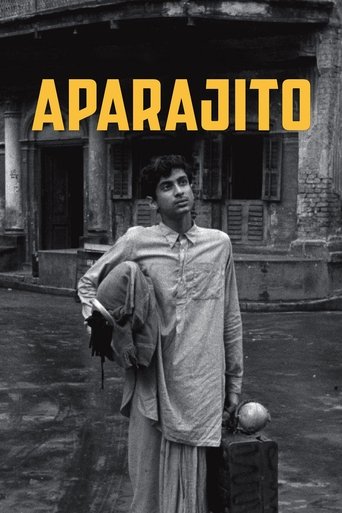
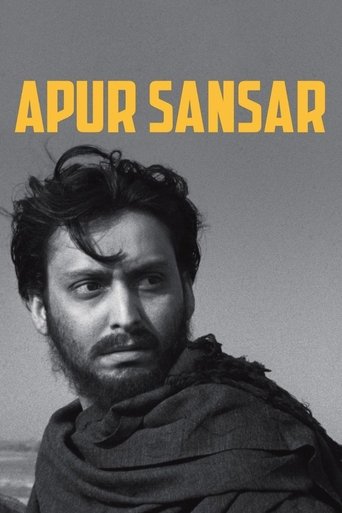
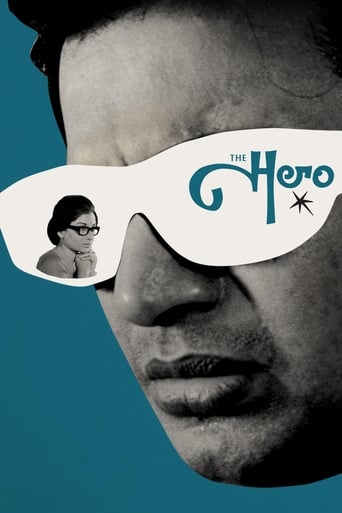
The shelf Bengali films gathers thirteen films from 1955 to 2023 with about 2,100 votes and an average rating of 7.51, and nine of them are by Satyajit Ray, the great director of Indian cinema, who worked in Kolkata. The most voted is Pather Panchali, of 1955, his first film, with a 7.8 and about 500 votes, the childhood of the boy Apu and his sister Durga in a poor village of Bengal, where the two children run through a field of white flowers to watch a train go by. It opened the Apu trilogy, with Aparajito, of 1956, the youth of Apu in Benares and Kolkata, and The World of Apu, of 1959, with an 8.1, the best rated of the shelf with The Hero, in which the grown Apu, played by Soumitra Chatterjee, marries by chance and loses his wife, played by Sharmila Tagore.
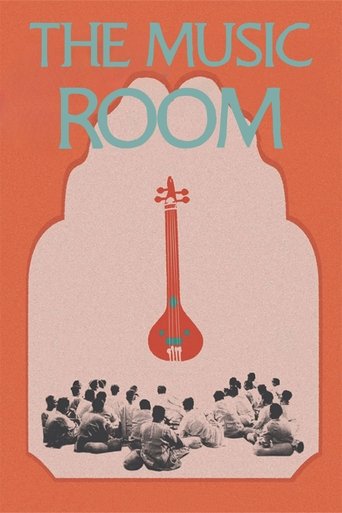
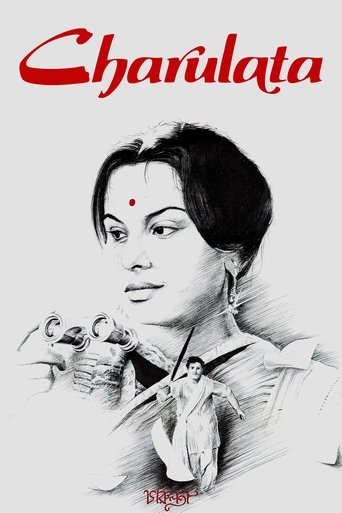
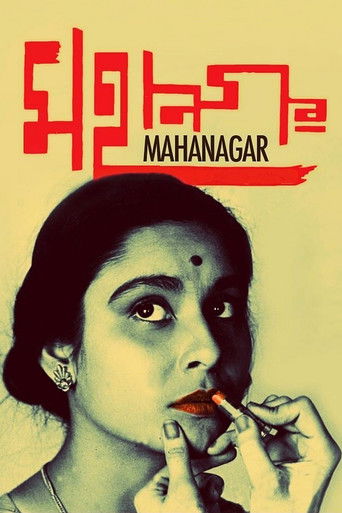
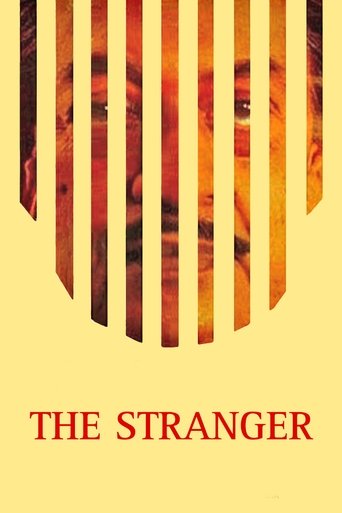
Ray's other films of the shelf span his career. The Music Room, of 1958, follows an old landowner who ruins himself with concerts in his palace; Devi, of 1960, a young wife whom her father-in-law believes to be a goddess; The Big City, of 1963, a housewife of Kolkata who takes a job as a saleswoman; Charulata, of 1964, the lonely wife of a publisher in the 1880s and her love for his cousin; The Hero, of 1966, with an 8.1, a film star on a train journey, played by Uttam Kumar; and The Stranger, of 1991, Ray's last film, a stranger who claims to be the long-lost uncle of a family. The other director of the Bengali classics, Ritwik Ghatak, is here with The Cloud-Capped Star, of 1960, a young woman who sacrifices herself for her refugee family.
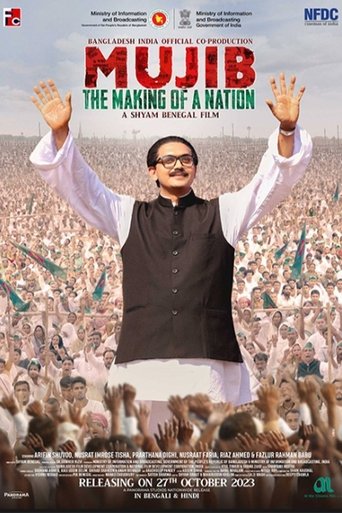
Bangladesh gives the shelf three recent films: MR-9: Do or Die, of 2023, a spy thriller with Michael Jai White; Mirror Game, of 2016, with a 7.9, an actor who takes money to serve the prison terms of others, so that the prison becomes his stage; and Mujib: The Making of a Nation, of 2023, by the Indian director Shyam Benegal, the life of Sheikh Mujibur Rahman, the founding father of Bangladesh. The guide Bengali films sums it up.
Punjabi films
The shelf Punjabi films gathers thirteen films from 2012 to 2024 with about 260 votes in all, so their ratings rest on few viewers. Punjabi cinema has grown fast since the 2010s around comedies of family and village life and around its singing stars, and the most famous of them, Diljit Dosanjh, appears in four films of the shelf: Jatt & Juliet, of 2012, a romantic comedy of two Punjabis who meet on the way to Canada, Super Singh, of 2017, a young man who becomes a Sikh superhero, Honsla Rakh, of 2021, a single father in Canada, and Punjab 1984, of 2014, with an 8.2, a mother who searches for her son during the insurgency of the 1980s. Anurag Singh directed three of the four.
The most voted film of the shelf is Ni Main Sass Kuttni 2, of 2024, a comedy of mothers-in-law and daughters-in-law, and the best rated is Carry On Jatta, of 2012, with an 8.3 on 21 votes, a comedy of lies around a wedding. Qissa: The Tale of a Lonely Ghost, of 2013, by Anup Singh, with Irrfan Khan, follows a father who raises his daughter as a son after the Partition of 1947; Chaar Sahibzaade, of 2014, an animated film of the four sons of Guru Gobind Singh; and Chal Mera Putt, of 2019, Punjabi migrants of India and Pakistan in Britain. Pakistan gives the shelf two films: The Legend of Maula Jatt, of 2022, with Fawad Khan, the remake of a famous Punjabi action film of 1979, and Circus of Life, of 2020, with a 7.9, a respected old man who writes hymns and works in real estate. The guide Punjabi films sums it up.
Japanese films
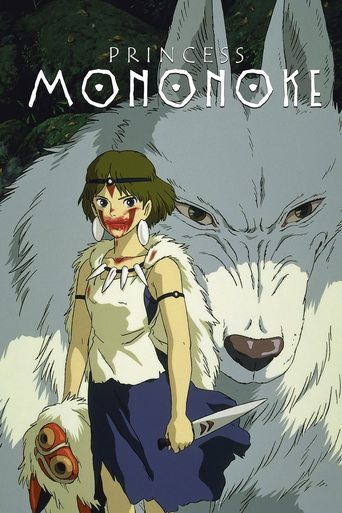
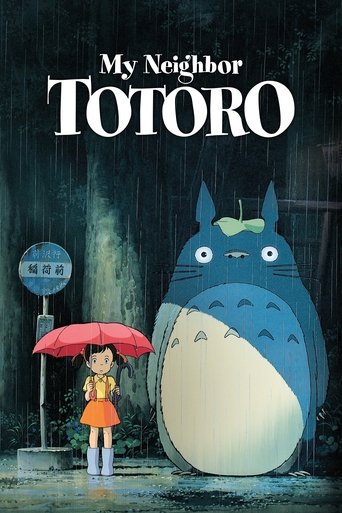
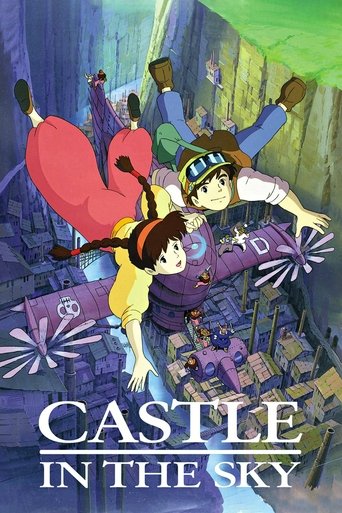
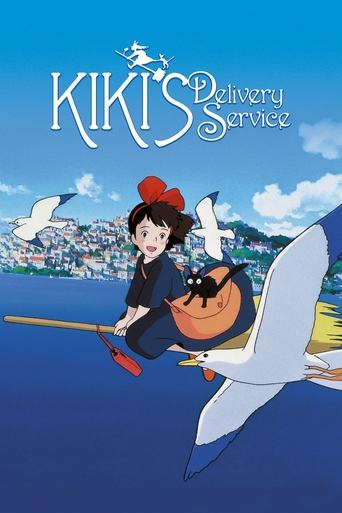
The shelf Japanese films gathers thirteen films from 1954 to 2016 with about 102,000 votes and an average rating of 8.2, the best of all twelve shelves. Seven of them are by Hayao Miyazaki and his Studio Ghibli: Spirited Away, of 2001, the most voted of the shelf with about 19,100 votes and an 8.5, a girl who works in a bathhouse of spirits to save her parents, turned into pigs, and the winner of the Academy Award for best animated feature; Howl's Moving Castle, of 2004, a young hatter turned into an old woman by a curse; Princess Mononoke, of 1997, the war between the gods of the forest and an iron town; My Neighbor Totoro, of 1988, two sisters and the great grey spirit of the woods; Castle in the Sky, of 1986, the first film of Ghibli, a floating island; Kiki's Delivery Service, of 1989, a young witch who opens a delivery service by broom, and Ponyo, of 2008, a little fish who wants to become a girl.
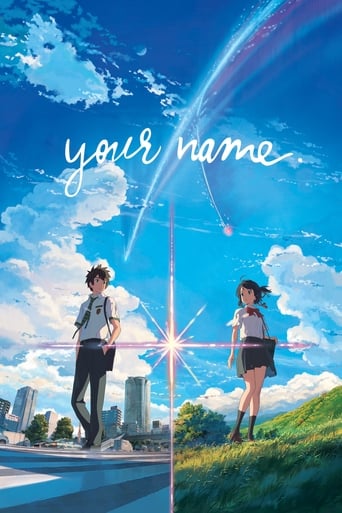
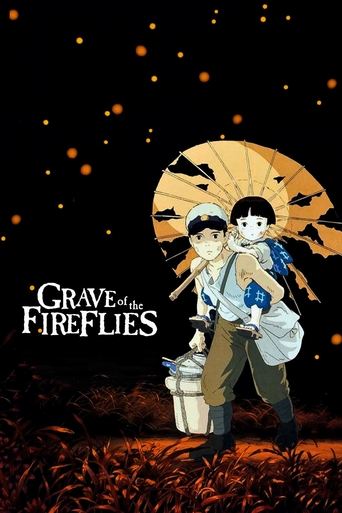
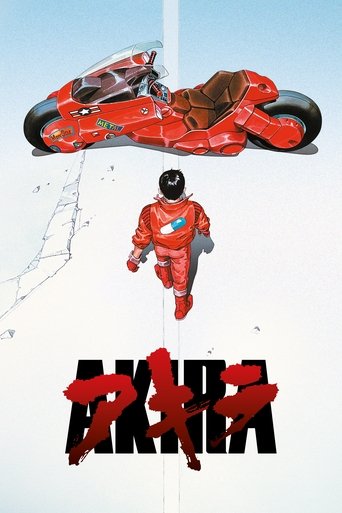
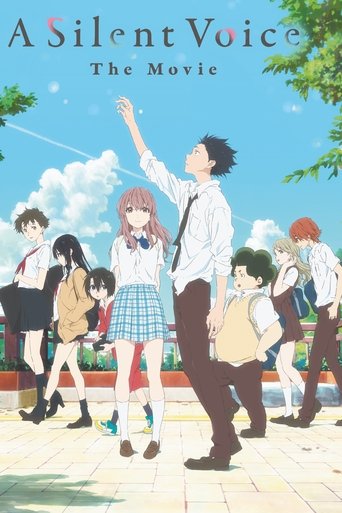
The other masters of Japanese animation complete the list. Grave of the Fireflies, of 1988, by Isao Takahata, the partner of Miyazaki at Ghibli, follows a boy and his little sister in the last months of the war, with an 8.5; Akira, of 1988, by Katsuhiro Otomo, imagines a Tokyo of motorcycle gangs and psychic powers; Ghost in the Shell, of 1995, by Mamoru Oshii, a cyborg police officer who hunts a hacker, at 83 minutes the shortest film of the shelf, and two films of 2016 bring the shelf to the present: Your Name. by Makoto Shinkai, two teenagers who swap bodies across the country, with about 13,100 votes, and A Silent Voice: The Movie, by Naoko Yamada, a boy who seeks forgiveness from the deaf girl he bullied at school.
One film of the shelf has real actors: Seven Samurai, of 1954, by Akira Kurosawa, with Toshiro Mifune and Takashi Shimura, the oldest and, at 207 minutes, the longest film of the shelf, a poor village that hires seven masterless samurai to defend it against bandits. Its story returned in Hollywood as The Magnificent Seven. Twelve of the thirteen films of the shelf are animated, so the shelf shows the side of Japanese cinema that the world knows best. The guide Japanese films sums it up.
Korean films
The shelf Korean films gathers thirteen films from 2003 to 2020 with about 78,300 votes and an average rating of 7.59, the films of the Korean wave that made the cinema of Seoul famous across the world. The most voted film of the whole guide is here: Parasite, of 2019, by Bong Joon Ho, with about 21,500 votes and an 8.5, a poor family that slips one by one into the service of a rich family, the winner of the Palme d'Or at Cannes and the first film in a language other than English to win the Academy Award for best picture.
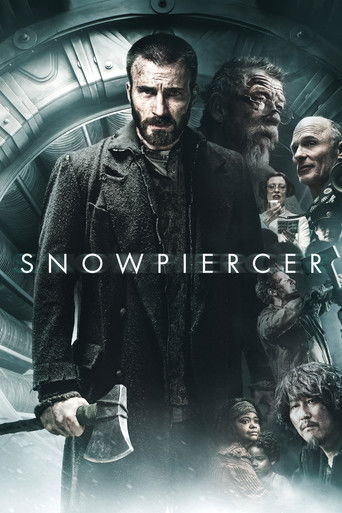
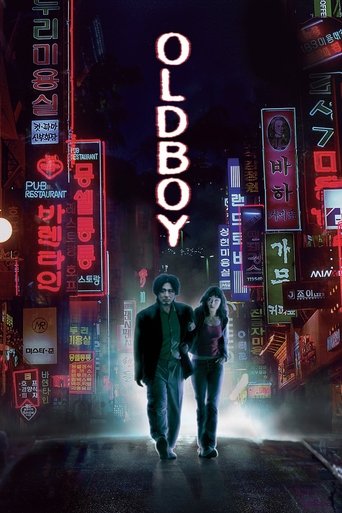
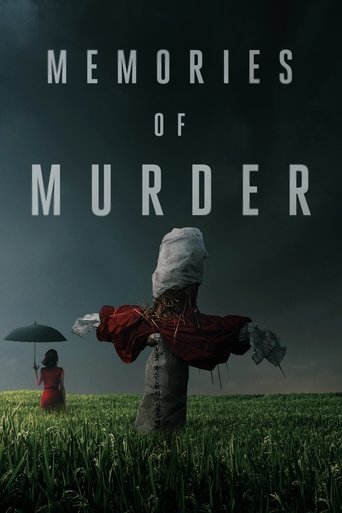
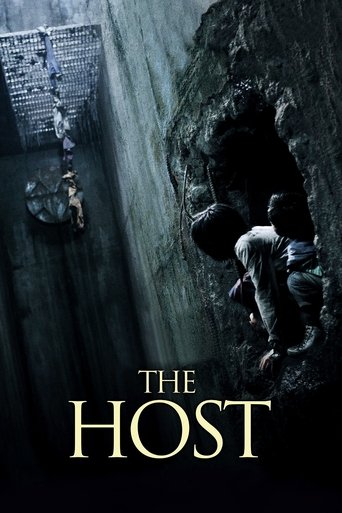
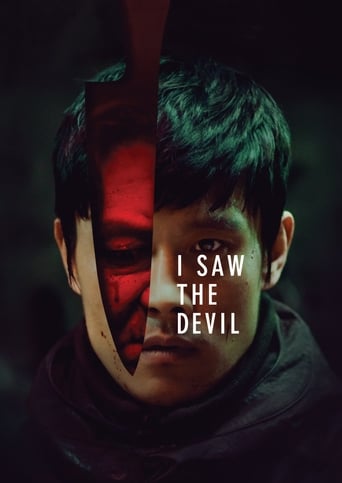
Bong Joon Ho has four films on the shelf, and Song Kang-ho plays in all four: Parasite, Memories of Murder, of 2003, with an 8.1, two detectives on the trail of a serial killer in a village of the 1980s; The Host, of 2006, a monster that rises from the Han River, and Snowpiercer, of 2013, the last survivors of a frozen world on a train that circles the earth, with Chris Evans, made mostly in English. Park Chan-wook has three: Oldboy, of 2003, with an 8.2, a man locked in a room for fifteen years who seeks revenge; Lady Vengeance, of 2005, a woman who plans her revenge after thirteen years in prison, and The Handmaiden, of 2016, with an 8.2, a pickpocket hired as the maid of a Japanese heiress in the 1930s. Choi Min-sik plays in Oldboy, Lady Vengeance and I Saw the Devil, of 2010, by Kim Jee-woon, a secret agent who hunts the killer of his fiancée.
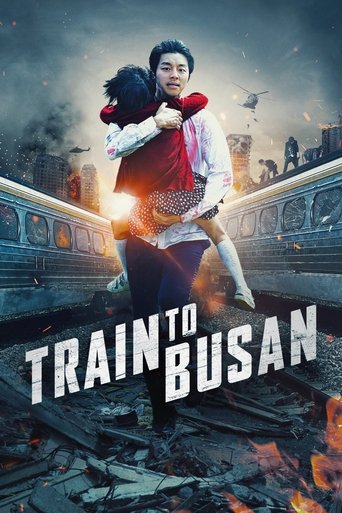
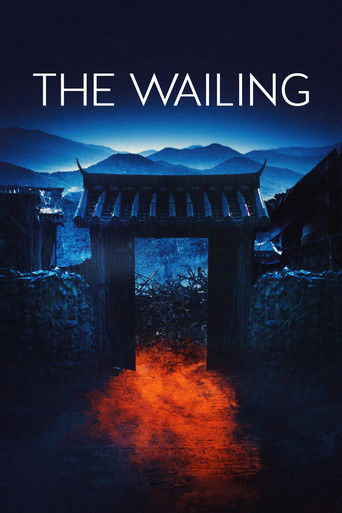
The zombie films of the shelf are three: Train to Busan, of 2016, by Yeon Sang-ho, with Gong Yoo, passengers of a fast train in a zombie outbreak, with about 8,800 votes; its sequel Peninsula, of 2020, by the same director, and a thriller of 2020 with Yoo Ah-in, a young man trapped alone in his apartment as the city falls. The Wailing, of 2016, by Na Hong-jin, a policeman of a mountain village faced with a strange illness, and Burning, of 2018, by Lee Chang-dong, with Yoo Ah-in and Steven Yeun, after a story by Haruki Murakami, close the shelf. The guide Korean films sums it up.
Sagas and second chapters
The great hits of the last decade often come in pairs, and the guide keeps both parts on the same shelf. The Telugu shelf holds the two Baahubali films, of 2015 and 2017, and the two Pushpa films, of 2021 and 2024, with Allu Arjun as the sandalwood smuggler; the Kannada shelf holds the two K.G.F chapters, of 2018 and 2022, and Kantara with its prequel of 2025, both directed by Rishab Shetty, who plays the lead. The Malayalam shelf holds Drishyam, of 2013, and Drishyam 2, of 2021, both by Jeethu Joseph with Mohanlal, and the Hindi shelf holds the Hindi version of the first film, of 2015, with Ajay Devgn and Tabu, so the same story of a father who hides a crime to protect his family appears twice in the guide, in two languages. The Gujarati shelf holds Vash, of 2023, and Vash Level 2, of 2025, both by Krishnadev Yagnik, the Korean shelf Train to Busan and Peninsula, by Yeon Sang-ho, and the Bengali shelf the whole Apu trilogy of Satyajit Ray. In all, 46 films of the guide date from 2020 or later, and the collection Since 2020 gathers them.
The directors of the twelve languages
A few directors hold whole shelves. Satyajit Ray has nine films, all on the Bengali shelf, from Pather Panchali in 1955 to The Stranger in 1991, a career of almost four decades in one city. Hayao Miyazaki has seven on the Japanese shelf, from Castle in the Sky in 1986 to Ponyo in 2008, and S. S. Rajamouli five on the Telugu shelf, from Magadheera and the fly of Eega to the two Baahubali films and RRR. Bong Joon Ho has four on the Korean shelf, and seven directors have three each: Karan Johar among the Hindi films, Krishnadev Yagnik among the Gujarati films, Shankar and Lokesh Kanagaraj among the Tamil films, Prashanth Neel among the Kannada films, Anurag Singh among the Punjabi films and Park Chan-wook among the Korean films. The guide The directors lists them all.
The stars of the twelve languages
The great stars of Hindi cinema lead the cast lists. Shah Rukh Khan and Salman Khan appear in eight films each, with Shah Rukh in the romances of the 1990s and in My Name Is Khan, and Salman in the family films of Sooraj Barjatya, in Bajrangi Bhaijaan and in a short role in the Marathi film Ved; Aamir Khan appears in seven, from Andaz Apna Apna to 3 Idiots, Dangal and Lagaan. Fahadh Faasil, the star of the Malayalam new wave, also appears in seven, and of the leading names of the guide he is the one who crosses three languages: Malayalam, with Bangalore Days, Kumbalangi Nights and Aavesham; Tamil, with Super Deluxe and Vikram, and Telugu, as the police officer of the two Pushpa films. Achyuth Kumar, a character actor of Kannada cinema, also appears in seven, from Lucia to the two K.G.F films and Kantara. Kajol follows with six, and Song Kang-ho, in the four films of Bong Joon Ho, is the star of the Korean shelf. The guide The stars lists the actors who appear most often.
XDMovies in figures
The 156 films of the guide run from 1913 to 2025 and carry about 215,500 votes on TMDB, with an average rating of 7.28, and 26 of them reach a rating of 8 or more. The best rated is Spirited Away, with an 8.5, and the most voted is Parasite. Together the films last about 22,300 minutes, more than 371 hours; the longest is Lagaan, with 233 minutes, followed by Pushpa 2 - The Rule, with 225, and the shortest is Raja Harishchandra, with 40. The votes fall very unevenly across the languages: the Japanese and Korean shelves together hold about 180,500 of them, more than four votes in five, while the Marathi, Gujarati and Punjabi shelves hold only a few hundred each, so their ratings rest on small groups of viewers. The guide The figures gathers every number.
The look of XDMovies
The look of this guide comes from xdmovies.site as archived by the Wayback Machine at the end of 2025. Its style sheets were lost, so the layout follows the page itself and the colours come from the styles written inside it: a dark page of greys from #1A1A1A to #2A2A2A, with borders of #333 and #444, white and light grey text, and an orange accent, #FFA500, with a lighter orange, #FFD08A. The fixed dark bar at the top carries the name XDMovies, the menu and the search, as on the old site, and the Languages grid of the home page repeats the dropdown grid of its menu, with each language written in its own script. The guide The look of XDMovies explains each colour.
Where to begin
For a first evening, take one film from each family. From Hindi and the west, Dilwale Dulhania Le Jayenge for the romance of the 1990s, 3 Idiots for the comedy of the new century, or Sairat for the Marathi love story that broke records. From the south, RRR for the spectacle of Telugu cinema, Drishyam for the Malayalam thriller that was remade in many languages, or K.G.F: Chapter 1 for the rise of Kannada cinema. From further afield, Pather Panchali for the birth of Indian art cinema, Spirited Away for the magic of Ghibli and Parasite for the sharp eye of Korean cinema.
How to use XDMovies
The home page opens with an introduction and the Languages grid, a tile for each of the twelve shelves, with the name of the language in its own script, the family and the number of films; each tile leads to its row. Each row carries the name of the language in orange, twelve posters and a button that opens the full shelf. The menu in the bar leads to the three families, and the search box finds any film by its title, in English or in its own script; the guide Search tips explains how.
Each poster shows the year and the TMDB rating, with the name of its language in its own script on a dark band at the bottom, for example ગુજરાતી or 日本語. The film page has the English synopsis, the cast, the director and the genres. The Watch now button opens the film on JustWatch, which shows the services that offer it in your country, and the button Add to My List keeps it in My list, stored in your browser. The guide How to use XDMovies explains each part, and the guide The Watch now button explains how JustWatch works.
Questions
What is XDMovies
An English guide to 156 films in twelve languages, in three families of four shelves.
Which languages does it cover
Hindi, Marathi, Gujarati, Tamil, Telugu, Malayalam, Kannada, Bengali, Punjabi, Japanese and Korean, with Hindi on two shelves.
How were the films chosen
The thirteen most voted films on TMDB in the original language of each shelf, checked by hand.
Which film has the most votes
Parasite, with about 21,500 votes.
Which film is the best rated
Spirited Away, with an 8.5.
Which is the oldest film
Raja Harishchandra, of 1913, the first feature film of India.
Which is the longest film
Lagaan, with 233 minutes.
Which director has the most films
Satyajit Ray, with nine Bengali films.
Where can I watch the films
The Watch now button opens each film on JustWatch, which shows the services that offer it in your country.
Where is My list kept
In your browser, on the device where you create it.
